What’s the Difference Between Red and White Wine Glasses?
Red vs. White Glasses. Forget the confusion. This article focuses on the essentials and disregards the distractions to explain the real differences between red and white wine glasses—without the pretentious undertones. Whether you’re sipping wine at home or replenishing stock at a restaurant, you’ll quickly grasp how glassware can subtly affect flavor, and when it actually matters
Truthfully, there are differences between red and white wine glasses that surpassappearance. However, we are not here to make you depressed about your ill-matched kitchen glassware. This guide is for real people and real businesses who want to enjoy wine from glasses that adds subtly to flavour; with a little less fuss, and zero snobbery.
Let’s Be Serious – Does the Glass Even Matter?
To be frank? Yes.
A more developed view? It all depends on how much emphasis you place on getting the most from your wine.
The shape of a wine glass affects how aromas develop, how the wine disperses on your tongue, and even how quickly it warms up in your hand. Red wines tend to benefit from more oxygen exposure. White wines? Less so.
But here’s the thing: You do not need a separate glass for every type of grape. Unless, of course, if you are building a wine bar in your basement—or running one.
💡 Pro Tip: If you’re serving customers or stocking a bar, the right glassware can elevate even a modest pour into a memorable experience.
Types of Wine Glasses – Wine Glass Shapes
The shape of a wine glass has an impact on how the chosen type of wine is best enjoyed.
Red Wine Glasses – Why So Grandiose?
When choosing red wine glasses, note that they are usually larger and rounder, with big bowls and slightly taller stems. The generous size allows for better oxidation, which assists to mellow tannins and liberate complex aromas. This makes your Cabernet, Syrah, or Pinot Noir expresses more charisma—even if it came from the bottom shelf.
The broader rim also gives your nose a pole-position for the splendid aroma, which plays aenormous role in how we taste wine. This is the best glass for red wine.
📝 Industry Insight: Restaurants often favour these glasses for bold reds and reserve selections—they highlight complexity and make a statement at the table.

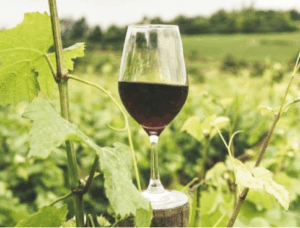
balloon-style red-wine-glass for bold reds like Sauvignon Cabernet
White Wine Glasses – Small, Chilly, and to the Point
White wines are more about succinct crisp flavors, and fresh delicacy. Hence the reason white wine glasses are typically narrower and smaller. Smaller surface areas keep the wine cooler, and the more upright shape, conduct aromas toward your nose.
Such glasses are perfect for Sauvignon Blanc, Riesling, Pinot Grigio, and unoaked Chardonnays.
📝 Consumer Tip: If you’re drinking whites casually at home, smaller glasses help maintain the chill—especially important if you linger with your glass.
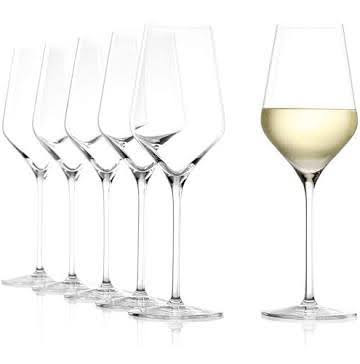
Tulip-shaped white-wine-glass
Stem vs. Stemless – Does It Matter?
Stemmed glasses are the traditional ware for wine. They allow you to hold the glass without warming the wine, which is particularly useful for whites. They also look very elegant, and there’s a conventional appeal in the swirl-hold-sip combination.
Stemless glasses, however, are very popular for everyday use. They are easier to store, clean, and they give a more casual feel —which many people love.
📝 Trade Talk: In casual dining settings, stemless glasses are often favored for their durability and low breakage rates. “Stem vs. Stemless: Which Wine Glass Is Best for You?”
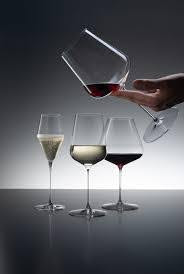
stem-vs-stemless-wine-glasses.jpg
The Psychology of the Pour – Does Appearance Influence and Enhance Taste?
Here’s a fun piece from research: studies show that wine can taste better depending on the glass it’s in—or even the label on the bottle. It is called expectation bias. Apparently, our brains are wired to respond to visual cues – even here.
The verdict? That particularly-nice glass might just make your $8 Merlot taste like a $20 bottle.
🧠 Fun Fact: People often rate wine as higher quality when served in a larger, more elegant glass—even if it’s the same wine.
One Glass to Rule Them All? (Almost)
Don’t want a cabinet full of specialized glassware? No problem. A medium-sized, tulip-shaped glass works pretty well for both red and white wines. It’s the Swiss army knife of wine glasses.
You might not get the maximum aroma for your Syrah, but you’ll still enjoy a great glass of wine.
📝 Hospitality Hack: Many wine-forward restaurants use “universal” glasses for efficiency and simplicity—especially when space is tight.
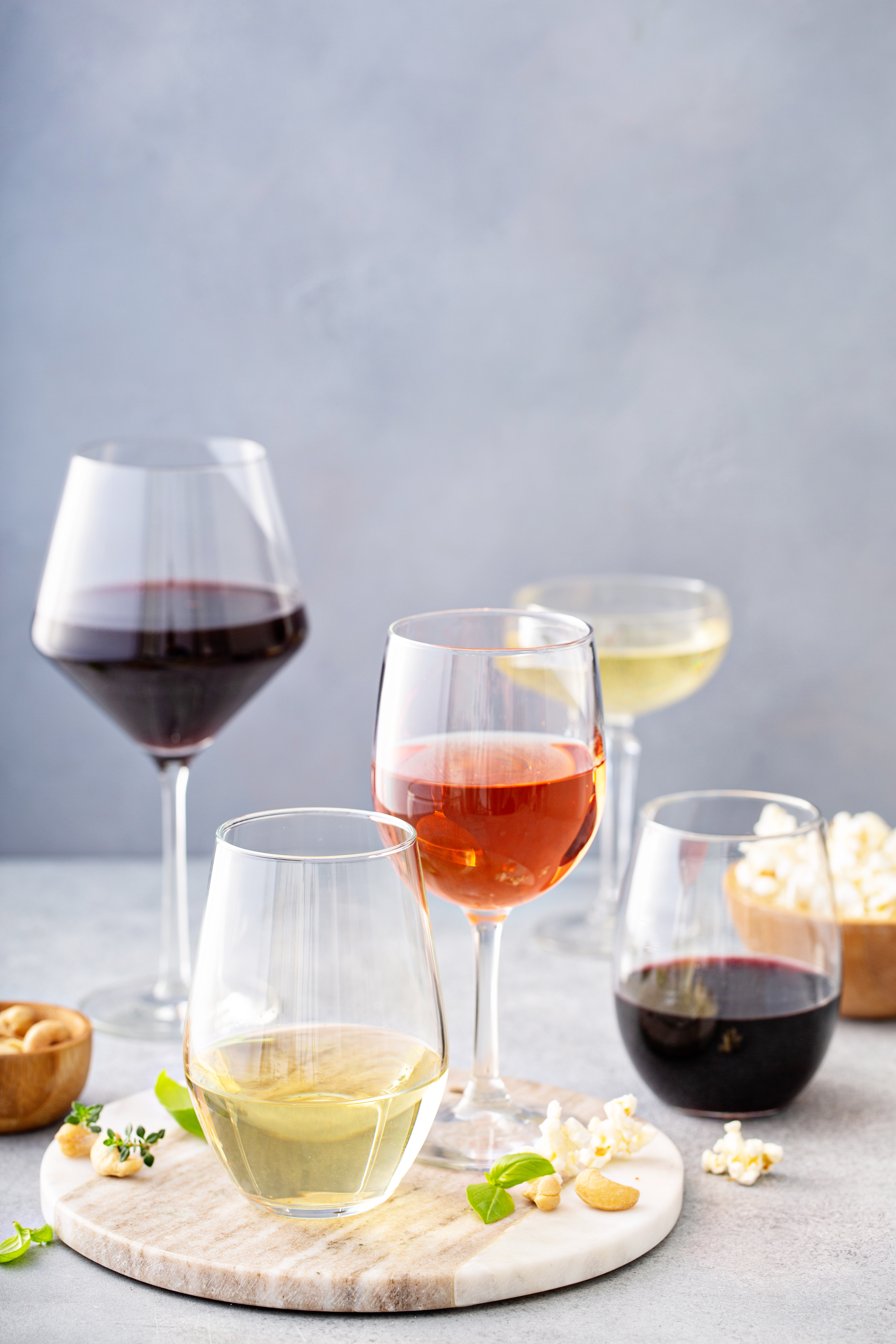
universal-wine-glass-for-red-and-white
How to Choose Without Losing Your Mind
Here’s a cheat sheet for picking the right glassware:
For Home Drinkers:
- If you love both reds and whites: buy a universal glass or a mixed set.
- Prefer reds? Prioritize a big-bowled red wine glass.
- Prefer whites? Go with a narrow tulip glass.
For the Trade:
- Base your glassware on your wine menu.
- Upsell with form + function: a bold red in a proper glass enhances the guest experience.
- Use durability and storage needs to decide between stemmed or stemless options.
Cleaning, Storage & Breakage – Keeping It Real
Let’s be honest: wine glasses break. They chip, they topple, they disappear at parties.
If you hate hand washing, look for dishwasher-safe glassware (but check stem length—they can snap easily). For the trade, invest in racks that fit your glass styles and train staff on proper handling.
🧽 Cleaning Tips:
- Avoid harsh detergents—they can leave residue that impacts aroma.
- Polish with a microfiber cloth to avoid lint.
📦 Storage Tips:
- Store upright, not hanging, to avoid dust settling in the bowl.
- Keep glassware out of high-traffic areas where accidents happen.
Comparative Report
Need something more technical? You may find this comparative report useful
|
Feature |
Red Wine Glasses | White Wine Glasses |
| Bowl Size & Shape | Large, round, wide bowl | Smaller, narrower bowl |
| Purpose | Allows more oxygen to soften tannins and release complex aromas | Keeps wine cooler and directs crisp aromas to the nose |
| Best For | Cabernet Sauvignon, Merlot, Syrah/Shiraz, Pinot Noir | Sauvignon Blanc, Riesling, Pinot Grigio, unoaked Chardonnay |
| Stem Length | Often taller stems to enhance swirling | Typically shorter or medium stems to help preserve chill |
| Drinking Experience | Bold flavors mellow, aromas expand; enhances richness and complexity | Bright flavors stay crisp, aromas remain delicate and fresh |
| Universal Alternative | Tulip-shaped “all-purpose” glass works for both reds and whites | Tulip-shaped “all-purpose” glass works for both reds and whites |
Conclusion: Drink What You Like, How You Like It
Here’s the bottom line: the right wine glass can enhance your experience—but it shouldn’t intimidate you. Whether you’re swirling Syrah or sipping Sauvignon Blanc, what matters most is that you’re enjoying the moment.
Glassware is a tool—not a rulebook. Learn what works, skip what doesn’t, and don’t let anyone tell you there’s only one right way to drink wine.
Discover Premium Argentinean and Spanish wines
Now that you know how glassware shapes the experience, pair it with wines that deliver. Discover our collection of premium Argentinean and Spanish wines—perfect for your customers, guests, or retail shelves.