From Corkscrews to Sabres
Have you ever stopped to wonder how wine openers began to uncork the the bottle…?
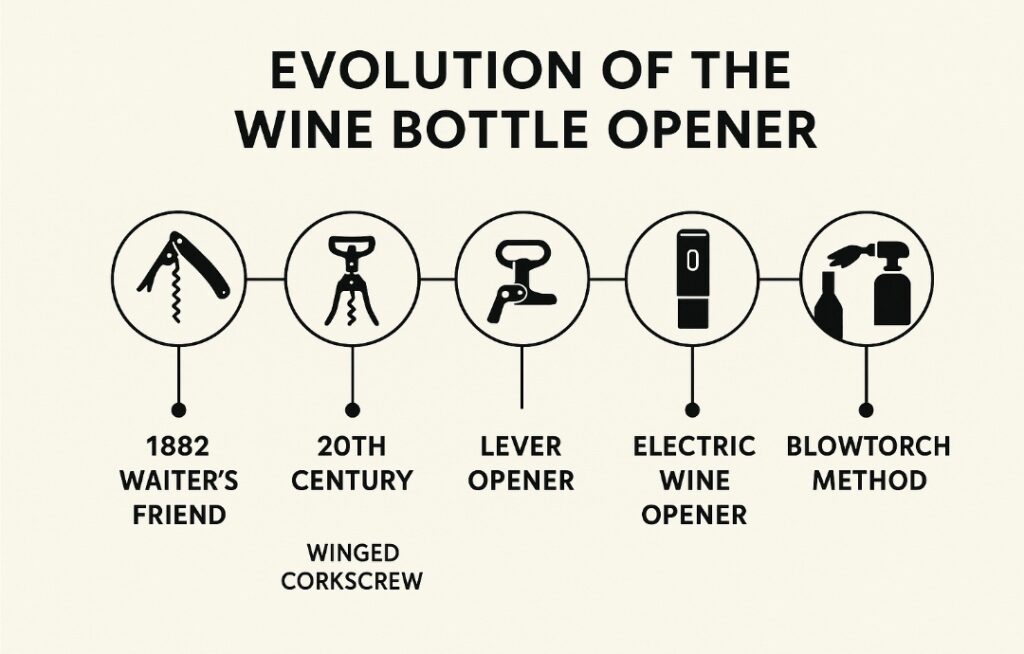
Early Innovations: The Birth of the Corkscrew
In 17th-century England, corks became standard for wine bottles. To extract them safely, inventors adapted a military tool. This was previously used to remove bullets from muskets.
Thus, the corkscrew was born. Simple yet effective, it changed how people accessed and enjoyed wine.
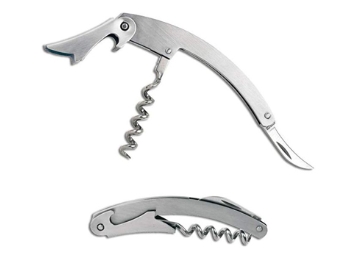
The Waiter’s Friend: Compact and Clever
Invented by Karl Wienke in Germany around 1882, the waiter’s friend was a game-changer. This foldable corkscrew featured a lever, giving waiters and sommeliers greater control. It became a staple for professional and home use alike—perfect for those spontaneous weekend wine sessions. Light and adaptable with a penknife like compactness, it is perfect for a gift, picnic and banquet serving and deft tricks!
20th Century Refinements: User-Friendly Tools
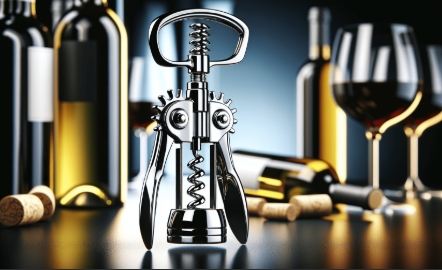
Winged Corkscrew
This tool made wine more accessible to casual drinkers. As you twist, the twin levers rise—press them down to pull the cork. Easy, effective, and now a common sight in kitchens worldwide.
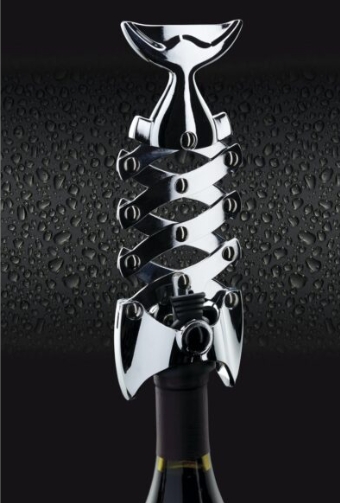
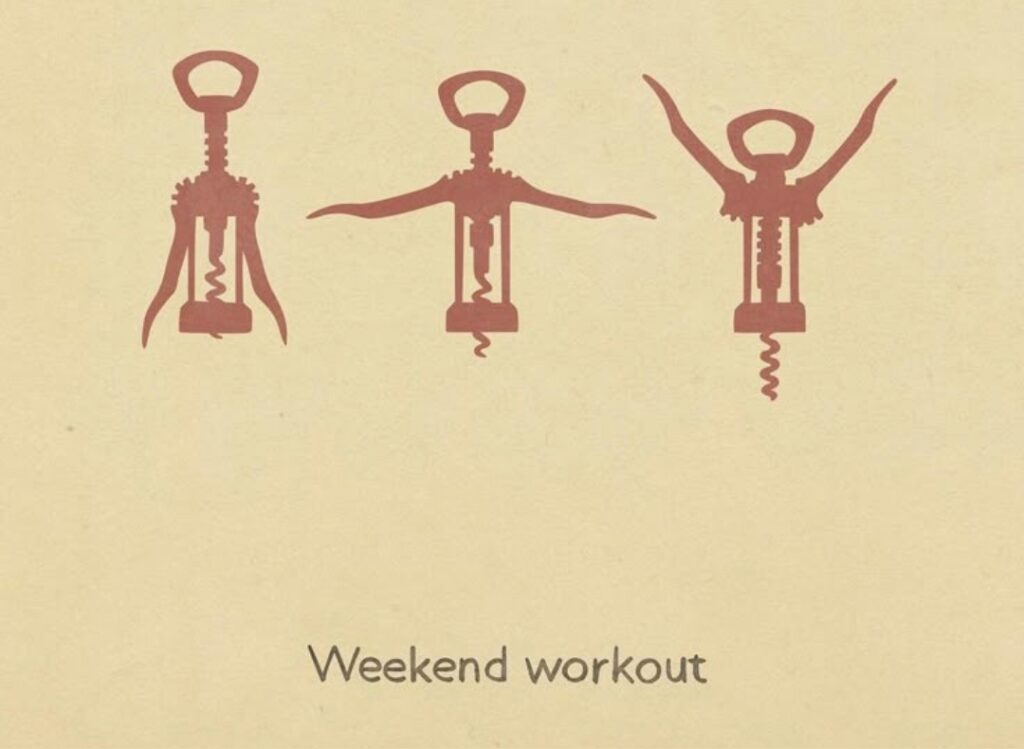
The amusing physical resemblance to a human figure has been the source of many jokes and satires, and the lever system reduces the need for any strength on the part of the person using it. Followed by many variations vintage to modern, the Zig Zag, Lazy Fish and all manner of invention followed!
Lever and Pump Action Openers
Designed for speed and ease, these mechanical openers became popular in restaurants and among frequent wine drinkers. The ergonomic design and smooth cork removal made them especially popular in the U.S. and France.
Modern Marvels: 21st Century Wine Openers
Electric Wine Openers
Ideal for those with limited hand strength or anyone looking for convenience, battery-powered openers automate the process. They’ve become a favourite gift item for winelovers and are great for stylish home use.
Coravin System
A revolutionary innovation, the Coravin lets you pour wine without removing the cork. Using a needle and argon gas, it keeps the rest of the bottle preserved. It’s ideal for enjoying aged or fine Spanish wine one glass at a time—without compromise.
Unconventional and Spectacular Methods
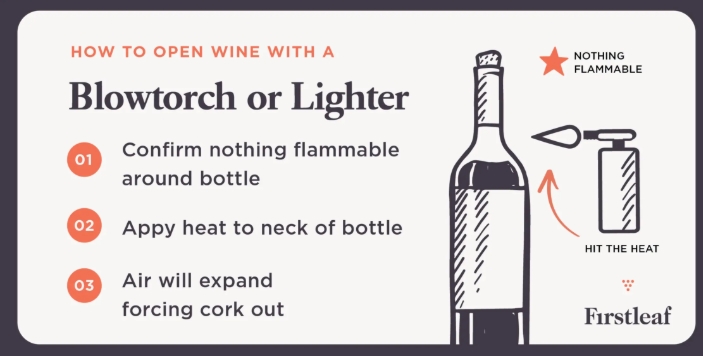
Blowtorch Method
Sometimes used in high-end restaurants or viral videos, this method heats the bottle neck to cut the glass and force the cork out. It’s dramatic, risky, and definitely more about spectacle than practicality.
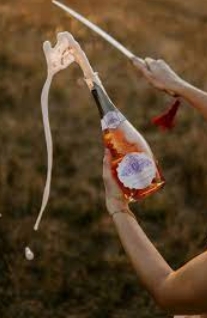
Sabrage
Originating with Napoleon’s cavalry, sabrage involves slicing the neck of a Champagne bottle with a sabre. It’s ceremonial, thrilling, and perfect for adding drama to any celebration—especially popular among adventurous weekend winelovers. A great technique for outdoors with plenty of space for the sweep of the blade!
Final Thoughts: Function Meets Culture
The journey of wine openers mirrors the evolution of wine itself—from a niche indulgence to a worldwide passion.
Tools have adapted to new needs:
- Accessibility
- Aesthetics, and even
- Performance
Whether it’s the trusty waiter’s friend or the high-tech Coravin, every opener tells a story.
For today’s winelovers, choosing the right wine opener is about more than just removing a cork—it’s about enhancing the entire wine experience, whether that’s a rare bottle of Spanish wine or a laid-back weekend wine ritual.